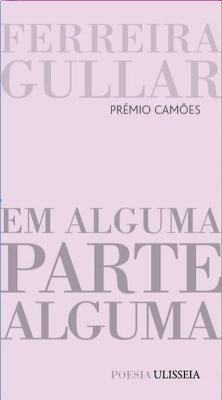
The prompt for panel 3 came from the opening text of Somewhere Something by Ferreira Gullar (Portuguese edition from Ulisseia). Here's this magnificent poem, without the proper graphic formatting (which WordPress, unfortunately, doesn't allow):
WHAT'S LEFT UNSAID COUNTS AS SAID
the poem
before being written
is not in me
more than an afflicted
silence
facing the blank page
or better
a murmur
white
or a scream
that I stifle
since
the poet
who screams
errs
and as everyone knows
good poets (or young goats)
don't bleat
the poem
before being written
before existing
is the possibility
of what hasn't been said
of what remains
to be said
and since
it hasn't been said
it has no being
is not
except
possibility of saying
but
saying what?
saying
fruit scent
jasmine smell?
but
how to say it
if speech has no smell?
that's why
to say it
is not to say it
although I say it somehow
because I don't silence
that's why
although without saying it
I speak:
I speak of the smell
of fruit
the smell
of hair
of the rooster's
walk
in the yard
and I say them
without saying them
well or badly
if the fruit
doesn't smell
in the poem
nor the rooster's
song
is heard in it
the reader
can hear
(and hears)
another rooster singing
in another yard
that existed
(and if
I didn't say it
wouldn't hear
since the poet says
what the reader
— if delirious —
would say)
but the thing is
before saying it
one doesn't know
since what is said
didn't exist
and what says
may be that wouldn't say
and
if said it weren't
would never know
therefore
it's correct to say
that the poet
doesn't reveal
the hidden:
invents
creates
what is said
(the poem
that by a thread
wouldn't be born)
but
because what he said
didn't exist
before saying it
he didn't know it
so he said
what he said
without knowing what he was saying?
so he knew it without knowing it?
so he only knew when saying it?
or because if he already knew it
wouldn't say it?
only what one doesn't know is poetry
thus
the poet invents
what to say
and only
when saying it
will know
what
he needed to say
or could
by what chance dictates
and life
provisionally
permits